Gross motor activities for preschoolers: 25 ideas indoors and out
Twenty-five gross motor activities for preschoolers, from obstacle courses to balloon games, that build balance, coordination and strength with no equipment.
 By Mrs Mac
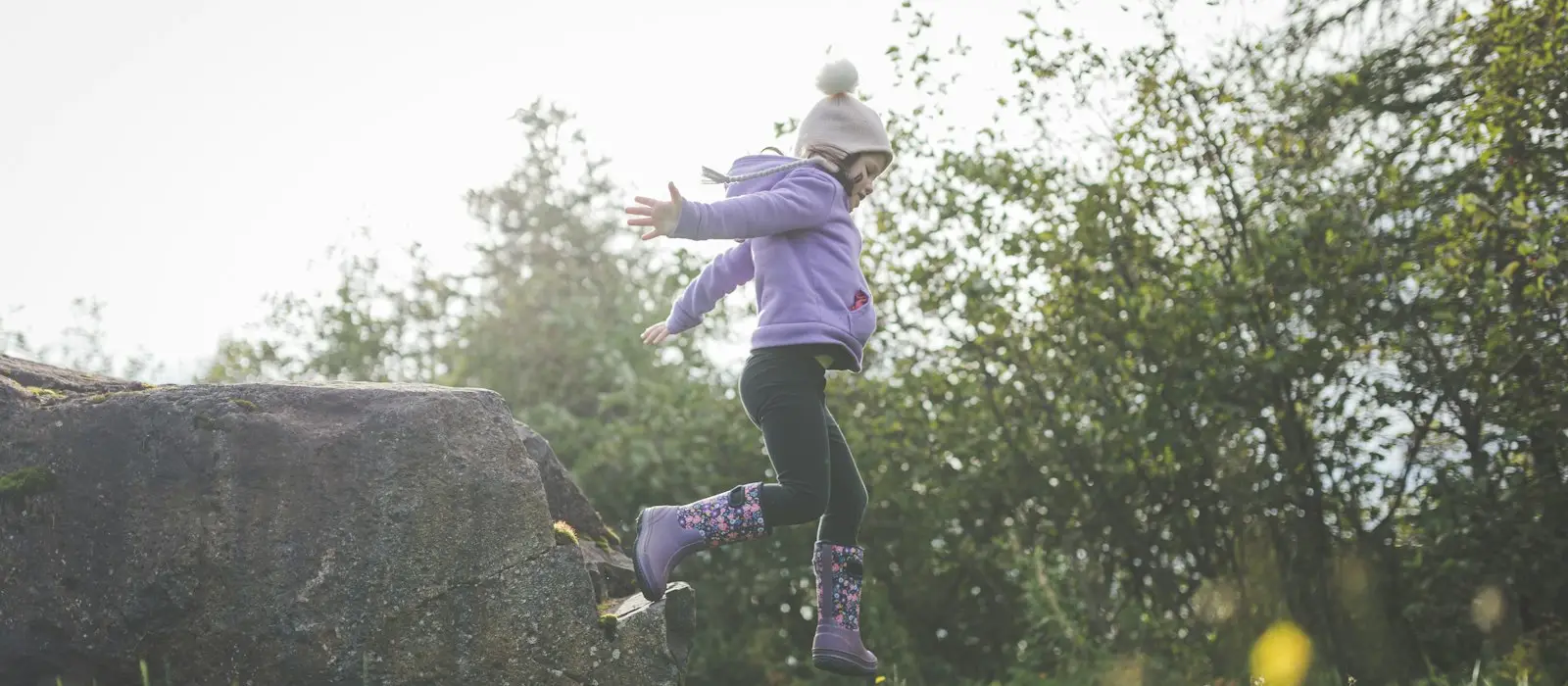
Gross motor skills are the big movements: running, jumping, climbing, throwing, catching, balancing and hopping. They use the large muscles of the arms, legs and body, and preschoolers practice them every time they play.
They matter for more than sports. Strong core muscles help children sit still at a table, balance helps them on the stairs and coordination helps them join in games with friends. Here are 25 gross motor activities for preschoolers that need little or no equipment.
Why gross motor play matters
- Strength and balance for climbing, running and everyday movement.
- Body awareness: knowing where their body is in space, which helps with everything from dressing to sitting still.
- Coordination between both sides of the body, and between eyes and hands.
- Confidence to try the climbing frame, join a game or ride a bike.
- Better moods and sleep. Active children tend to settle more easily.
Indoor gross motor activities
- Obstacle course. Crawl under a table, step over pillows, walk along a line of tape, jump into a hoop.
- Floor is lava. Jump between cushions without touching the floor. Here's how to play floor is lava.
- Animal walks. Bear crawl, frog jumps, crab walk, penguin waddle, flamingo stand.
- Balloon keepy-uppy. Keep a balloon in the air with hands, then feet, then heads.
- Masking tape balance beam. Walk forwards, backwards and sideways along a line of tape.
- Freeze dance. Dance when the music plays, freeze when it stops.
- Simon says. "Simon says jump three times." Great for listening, too.
- Pillow mountain. Pile up cushions and pillows to climb over and tumble onto.
- Yoga poses. Tree, dog, cat, cobra and star. Hold each for a slow count of five.
- Sock basketball. Throw rolled-up socks into a laundry basket from farther and farther away.
Outdoor gross motor activities
- Playground climbing. Ladders, steps, slides and monkey bars build whole-body strength.
- Ball games. Rolling, kicking, throwing and catching a big soft ball.
- Hopscotch. Draw a grid in chalk. Hopping on one foot is a big preschool milestone.
- Running races. Run to the tree and back. Try running backwards, skipping or galloping.
- Bubble chase. Blow bubbles and let them chase, jump and pop them.
- Tricycle or balance bike. Great for leg strength and balance.
- Puddle jumping. Rain boots on, two feet together, big splash.
- Wheelbarrow walks. Hold their ankles while they walk on their hands. Builds arm and core strength.
- Follow the leader. Take turns leading: hop, skip, tiptoe, march.
- Nature walk with a challenge. Balance on a log, jump over a stick, climb a small hill.
Games with a little equipment
- Bean bag toss into a bucket or hoop. Use a sock filled with rice if you don't have bean bags.
- Hula hoop. Jump in and out, roll it, or try spinning it.
- Bowling. Plastic bottles and a soft ball in the hallway.
- Jump rope. Start with jumping over a rope on the ground, then a rope wiggled like a snake.
- Parachute or sheet games. Hold the corners of a sheet and bounce a ball on it together.
Gross motor skills by age
- Age 3: Running, climbing, jumping with two feet, pedaling a tricycle, walking up stairs with alternating feet.
- Age 4: Catching a large ball most of the time, standing on one foot for a few seconds, hopping a little.
- Age 5: Hopping on one foot, skipping, swinging on a swing, climbing well.
Children develop at their own pace. If you have concerns about your child's movement, talk to their doctor.
Tips
- Make it a game, not a lesson. Races, challenges and silly animal walks keep it fun.
- Join in. Children copy you. If you hop, they'll hop.
- Clear a space. Move the coffee table and put away anything breakable.
- Mix it up. Climbing, balancing, throwing and jumping all build different skills.
- Let them take small risks. Climbing a little higher than last time builds confidence. Stay close.
What to say
Can you jump like a frog all the way to the door? Ready, set, hop!
If it stalls
If they're not interested, make it a story: "We're crossing the river, so jump from rock to rock." If something's too hard, make it easier: a wider line, a bigger ball, a lower jump. If they're tired, switch to something calm, like yoga poses.
Common questions
What are examples of gross motor skills? Running, jumping, hopping, skipping, climbing, throwing, catching, kicking and balancing.
How much activity do preschoolers need? US guidelines suggest about three hours a day, spread throughout the day, at any intensity. Walking, playing and dancing all count.
What's the difference between gross and fine motor skills? Gross motor skills use the big muscles of the body. Fine motor skills use the small muscles of the hands. See fine motor activities.
More ideas
For more active play, try rainy day activities, activities for 4 year olds, activities for 5 year olds and preschool activities.
Sources
About the author
Mrs Mac, Chief Play Officer
Mrs Mac is a current Early Years lead with over ten years of experience. She checks every Otter idea for timings, mess and attention spans, so it works on a wet Tuesday, not just on paper. Meet our Chief Play Officer.