Sensory bin ideas: 20 easy bins for toddlers and preschoolers
Twenty sensory bin ideas with fillers from your kitchen, plus what to put in a sensory bin, how to set one up, and which fillers to skip for safety.
 By Mrs Mac
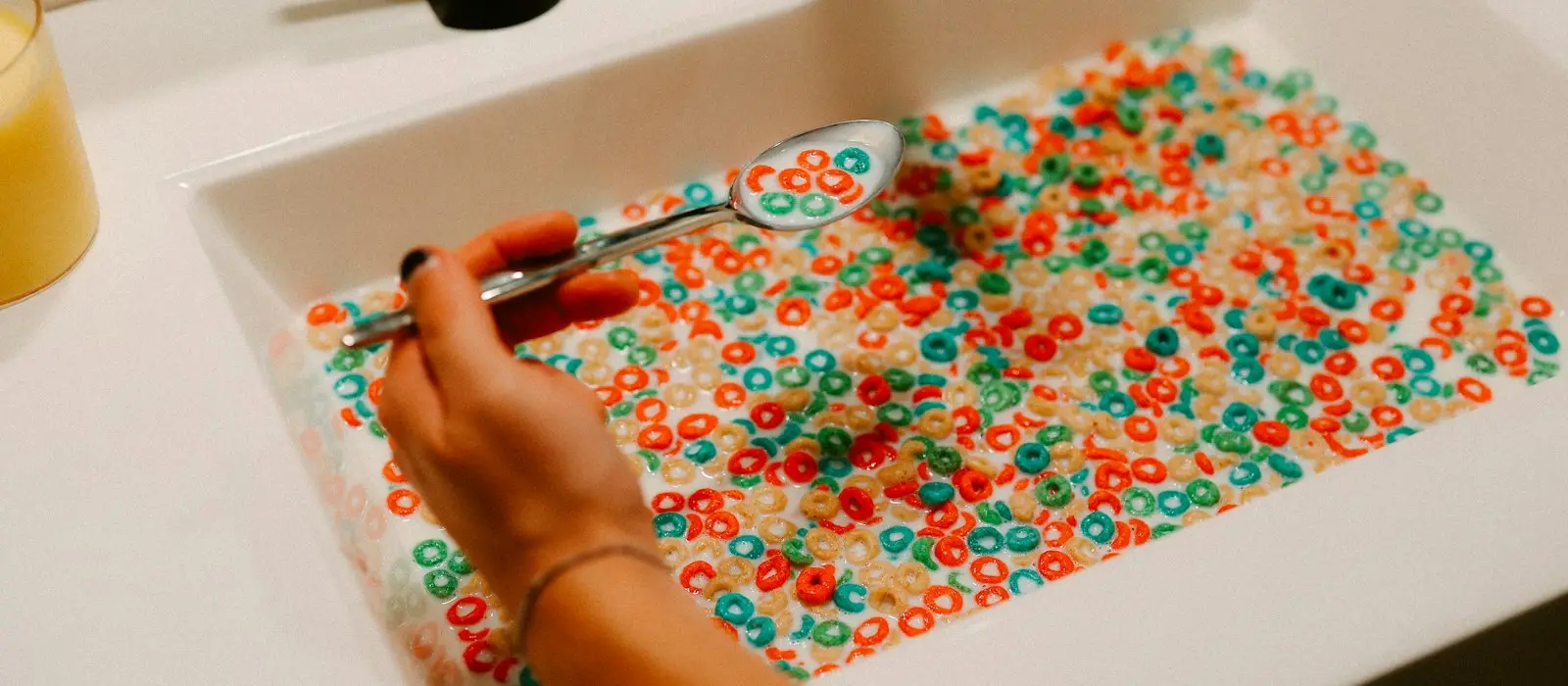
A sensory bin is just a container filled with something to scoop, pour and dig through, plus a few tools and toys. It sounds simple because it is. And it can keep a toddler or preschooler happily busy for longer than almost anything else.
Here's how to set one up, what to put in it, and 20 sensory bin ideas using things you probably already have.
How to make a sensory bin
You need four things:
- A container. A shallow plastic storage tub, a baking tray, a washing-up bowl or an under-bed box. Wider is better than deeper.
- A filler. The main material: oats, rice, pasta, water, sand, leaves.
- Tools. Scoops, cups, spoons, funnels, tongs, small jugs and muffin tins.
- A few extras. Toy animals, cars, shells or objects to hide and find.
Put a sheet, towel or shower curtain underneath, and you're ready.
What to put in a sensory bin
Good fillers for toddlers (who still taste things):
- Rolled oats
- Cooked and cooled pasta
- Cereal (Cheerios or puffed rice)
- Water, with or without bubbles
- Ice cubes
- Large chunks of fruit or vegetables to wash
Good fillers for preschoolers:
- Dry rice (plain or colored)
- Dry pasta shapes
- Dried beans and lentils
- Sand or kinetic sand
- Shredded paper
- Leaves, pinecones and acorns
- Pompoms and cotton balls
- Snow (in winter)
20 sensory bin ideas
Kitchen cupboard bins
- Oat bin with farm animals. Bury the animals and dig them out.
- Rainbow rice. Shake rice in a bag with a few drops of food coloring and a splash of vinegar, then dry it on a tray.
- Pasta sort. Mix two or three shapes and sort them into a muffin tin.
- Bean scoop. Dried beans with cups and a funnel. Great for pouring practice.
- Cereal construction site. Toy diggers and trucks in a bin of Cheerios.
- Cooked spaghetti. Slippery, squishy and very funny. Add a few drops of food coloring.
Water bins
- Bubble bath for toys. Warm water, dish soap and plastic toys to wash.
- Sink or float. Collect objects and guess which will sink.
- Ice rescue. Freeze small toys in a tub of water. Free them with warm water, salt and spoons.
- Color mixing. Three cups of colored water and an empty jug. What happens when you mix them?
- Fishing. Float bottle tops or foam shapes and scoop them out with a sieve or slotted spoon.
Nature bins
- Fall leaves. Leaves, acorns, pinecones and sticks. Crunch, sort and count. Then try leaf rubbing.
- Garden dig. Soil, a trowel, some plastic pots and a few seeds to plant.
- Beach in a box. Sand, shells, stones and a little water.
- Snow bin. Bring snow inside in a tub. Add mittens, spoons and food coloring in squeeze bottles.
Themed bins
- Dinosaur dig. Toy dinosaurs buried in sand or oats with paintbrushes to "excavate" them.
- Pretend kitchen. Dried pasta, pans, spoons and bowls for making "soup".
- Alphabet hunt. Hide magnetic letters in rice and find the letters in their name.
- Pompom transfer. Pompoms and kitchen tongs, moving them from the bin into an egg carton.
- Shredded paper treasure hunt. Hide small toys in a bin of shredded paper.
Fillers to skip
- Water beads. These small gel beads expand in water and are dangerous if swallowed.
- Small beads, buttons and marbles for children under 3, or for any child who still mouths things.
- Dried beans and chickpeas for toddlers. They're a choking hazard and can swell if pushed into ears or noses.
- Anything a child is allergic to. Check before using nuts, wheat or other foods.
Tips for less mess
- Use a big, low container. Things spill less when they're not piled high.
- Put a sheet underneath and shake it out outside afterwards.
- Set a simple rule: "The rice stays in the bin."
- Give a broom and dustpan at the end. Sweeping up is part of the fun.
- Store dry bins with a lid. Most dry fillers can be reused for weeks.
What to say
I hid something in the rice. Can you find it with the spoon?
If it stalls
Add one new tool: a funnel, a whisk or tongs. Hide something new. If they're throwing the filler, calmly put the bin away and try again later. If they're overwhelmed, switch to something drier and calmer, like pompoms.
Common questions
What age are sensory bins for? Sensory bins work from about 12 months with taste-safe fillers and close supervision. Preschoolers can use more varied fillers and tools.
How long do sensory bins last? Dry fillers like rice and pasta can last for months in a lidded tub. Throw out cooked pasta, water and food fillers after each use.
Is a sensory bin the same as sensory play? A sensory bin is one kind of sensory play. Playdough, painting, water play and texture walks are others.
More ideas
For more hands-on play, try fine motor activities, science activities for preschoolers, activities for 2 year olds and Montessori at home.
Sources
About the author
Mrs Mac, Chief Play Officer
Mrs Mac is a current Early Years lead with over ten years of experience. She checks every Otter idea for timings, mess and attention spans, so it works on a wet Tuesday, not just on paper. Meet our Chief Play Officer.