Fine motor activities: 25 easy ideas for toddlers and preschoolers
What fine motor skills are, why they matter for writing, dressing and eating, and 25 playful fine motor activities using playdough, tongs, beads and paper.
 By Mrs Mac
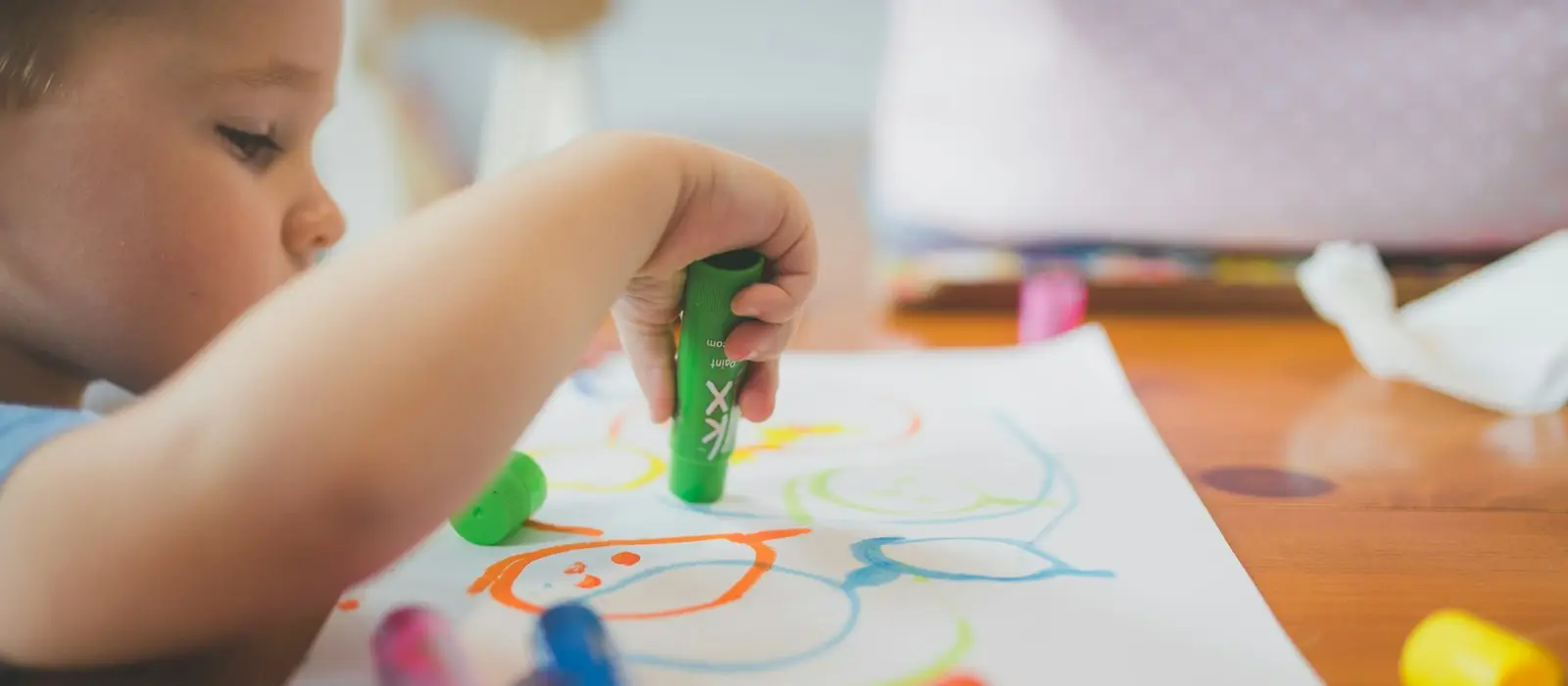
Fine motor skills are the small movements of the hands and fingers: pinching, squeezing, twisting, cutting, threading and holding a crayon. They're what children use to button a coat, eat with a fork, turn a page and, later, write their name.
The good news is that you don't need worksheets to build them. Playdough, tongs, stickers and a bowl of pasta do the job, and children think they're just playing.
Why fine motor skills matter
- Independence. Zipping, buttoning, using a spoon and opening a lunchbox all need strong, coordinated fingers.
- Getting ready to write. A good pencil grip depends on hand strength and control built through play.
- Concentration. Fiddly tasks like threading teach children to slow down and focus.
- Confidence. "I did it myself" is a powerful feeling.
Children develop at their own pace. If you have concerns, talk to your child's doctor.
Squeeze and strengthen
- Playdough. Rolling, squashing, pinching and poking is the classic hand workout. Make your own with our playdough recipe.
- Sponge squeeze. Two bowls, one with water. Soak the sponge and squeeze it into the empty bowl.
- Spray bottle painting. Fill a spray bottle with watered-down paint and spray it at paper on a fence or easel outside.
- Clothespin clip. Clip clothespins around the edge of a paper plate or onto a piece of string.
- Tearing paper. Tear colored paper into strips and pieces, then glue them into a collage.
- Squeezy bath toys. Fill and squirt them in the bath or a tub of water.
Pinch and pick up
- Tongs transfer. Move pompoms, cotton balls or grapes from one bowl to another with kitchen tongs.
- Sticker lines. Draw lines on paper and let them put stickers along them. Peeling stickers is excellent pinch practice.
- Posting. Cut a slot in a box lid and post coins, buttons or craft sticks through it. Supervise closely with small objects.
- Pick up the cereal. Pick Cheerios off a plate one by one and drop them into an ice cube tray.
- Peg board. Push golf tees into a block of foam or a cardboard box.
- Bubble wrap popping. Simple, satisfying and great for finger strength.
Thread and lace
- Pasta necklaces. Thread penne or rigatoni onto a shoelace or yarn with tape wrapped around the end.
- Cereal bracelets. Thread Cheerios onto a pipe cleaner.
- Lacing cards. Punch holes around the edge of a piece of cardboard and lace a shoelace through.
- Straws in a colander. Push straws or pipe cleaners through the holes of an upside-down colander.
Draw, cut and make
- Chalk drawing on the sidewalk or a chalkboard. Broken chalk pieces encourage a better grip.
- Cutting practice. Child-safe scissors and strips of paper. Start with snipping, then move on to cutting along lines.
- Paper plate masks. Cutting, gluing and decorating all in one. See paper plate masks.
- Painting with cotton swabs. Dotting paint with a cotton swab builds a careful grip.
- Leaf rubbing. Holding the paper still and rubbing a crayon takes two hands working together. Try leaf rubbing.
Everyday fine motor practice
- Buttons and zippers. Practice on a big cardigan or coat laid flat on the floor.
- Opening and closing. A basket of jars and containers with screw lids.
- Helping in the kitchen. Stirring, spreading, sprinkling and tearing lettuce. See more ideas in Montessori at home.
- Building with blocks. Small blocks and interlocking bricks need careful placing.
Fine motor activities by age
- Toddlers (1 to 2): Big movements and simple pinches. Posting, stacking blocks, turning board book pages, scribbling with chunky crayons, playdough.
- Preschoolers (3 to 4): Threading large beads, snipping with scissors, peeling stickers, using tongs, drawing circles and simple shapes.
- Pre-K and kindergarten (5 to 6): Cutting along lines, lacing, buttoning, drawing people with details, writing letters.
Tips
- Little and often. Five minutes a day does more than an hour once a week.
- Work on a vertical surface. Drawing on paper taped to the wall or an easel builds wrist strength.
- Use small tools. Broken crayons and short pencils encourage a pinch grip.
- Don't correct the grip too early. At 2 or 3, a fist grip is normal. Focus on fun and strength.
- Supervise small objects. Beads, buttons and coins are choking hazards for children who still mouth things.
What to say
Can you pick up the pompom with the tongs, like a crab? Snap, snap!
If it stalls
If something is too hard, make it bigger: larger beads, a thicker shoelace, a bigger slot. If they get frustrated, do it together, with your hand over theirs. If they lose interest, switch to playdough, which almost always works.
Common questions
What are examples of fine motor skills? Picking up small objects, holding a crayon, using scissors, buttoning, zipping, threading and using a fork or spoon.
What's the difference between fine and gross motor skills? Fine motor skills use the small muscles of the hands and fingers. Gross motor skills use the big muscles of the arms, legs and body, for running, jumping and climbing. See gross motor activities for preschoolers.
How can I help my child's pencil grip? Build hand strength with playdough, tongs and clothespins, and use short crayons and pencils. Most children develop a mature grip between 4 and 6.
More ideas
For more hands-on play, try sensory bin ideas, craft activities for 5 year olds and preschool activities.
Sources
About the author
Mrs Mac, Chief Play Officer
Mrs Mac is a current Early Years lead with over ten years of experience. She checks every Otter idea for timings, mess and attention spans, so it works on a wet Tuesday, not just on paper. Meet our Chief Play Officer.