Homemade playdough recipe: soft, smooth and ready in 10 minutes
An easy cooked playdough recipe that stays soft for weeks, plus a no-cook version, how to fix sticky or crumbly dough, safety tips and 10 ways to play with it.
 By Mrs Mac
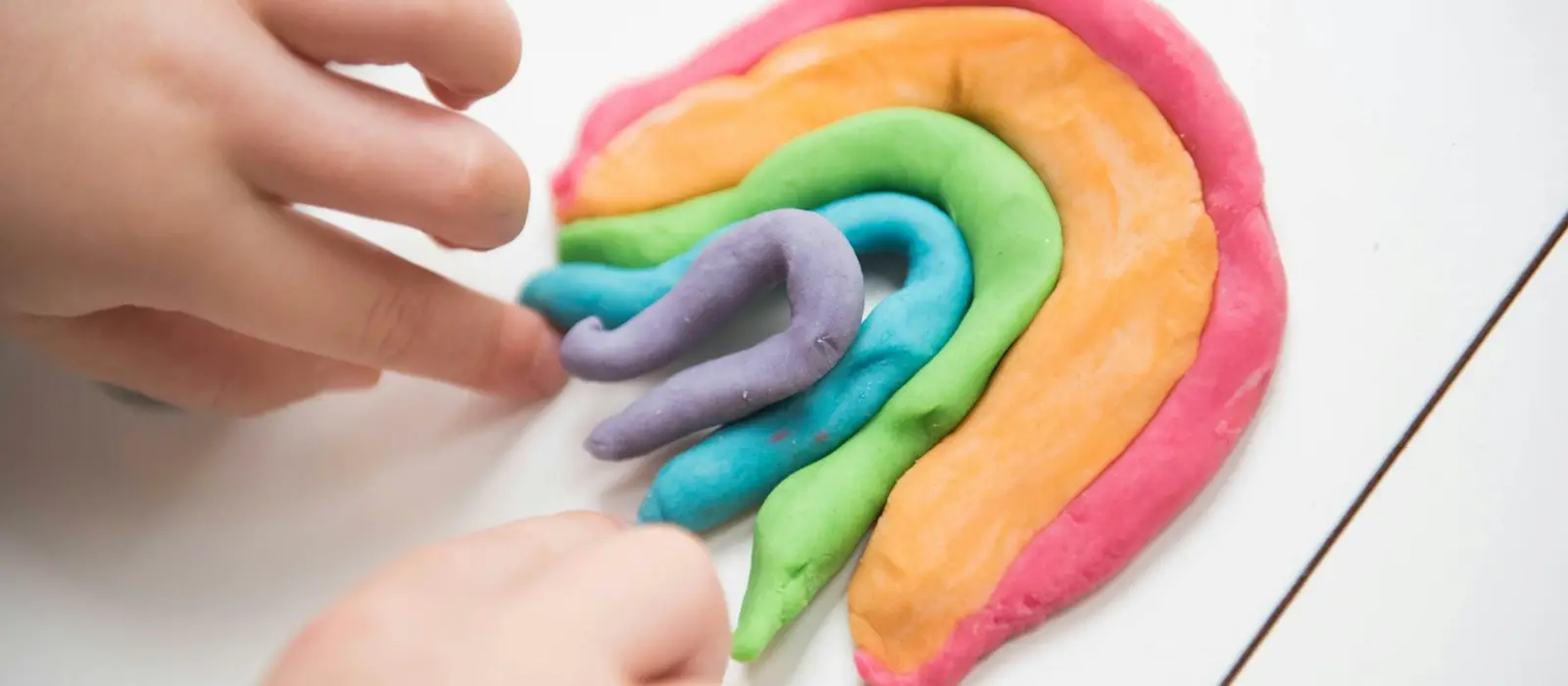
Homemade playdough is cheaper than store-bought, softer to squish and fun to make together. This cooked recipe takes about 10 minutes, uses pantry ingredients and stays soft for weeks in an airtight bag.
The best homemade playdough recipe (cooked)
This is the classic recipe. Cooking it makes the dough smooth and long-lasting, and it means the flour is heated through.
Makes: a ball about the size of a grapefruit · Time: 10 minutes
Ingredients
- 1 cup all-purpose flour
- 1/2 cup salt
- 2 teaspoons cream of tartar
- 1 cup water
- 1 tablespoon vegetable oil
- Food coloring (a few drops)
Method
- Mix the dry ingredients. Stir the flour, salt and cream of tartar together in a medium saucepan.
- Add the wet ingredients. Add the water, oil and food coloring, and stir until mostly smooth. It will look runny. That's normal.
- Cook over medium-low heat, stirring all the time with a wooden spoon. After 2 to 4 minutes it will thicken, then pull away from the sides and form a ball.
- Tip it out onto a clean counter or plate and let it cool for a few minutes.
- Knead for a minute or two until it's smooth and soft. This is the best part for kids, once it's cool enough to touch.
The adult does the stove part. Kids can measure, pour, stir the dry mix and knead.
No-cook playdough
If you don't want to use the stove, this version uses boiling water instead.
- 2 cups all-purpose flour (heat-treated if you can find it)
- 1/2 cup salt
- 2 tablespoons cream of tartar
- 2 tablespoons vegetable oil
- 1 to 1 1/2 cups boiling water
- Food coloring
Mix the dry ingredients in a bowl. An adult adds the oil, food coloring and boiling water, stirring until it forms a sticky dough. Let it cool, then knead until smooth, adding a little flour if it's sticky.
How to fix your playdough
- Too sticky: Knead in a little flour, a tablespoon at a time. If it's very sticky, it may need another minute on the stove.
- Too dry or crumbly: Knead in a few drops of water or oil.
- Not stretchy: You may have skipped the cream of tartar. It still works, but won't last as long.
- Getting hard after a few days: Knead in a few drops of water and a drop of oil, and store it in a sealed bag.
Can I make it without cream of tartar?
Yes. Swap the 2 teaspoons of cream of tartar for 2 tablespoons of lemon juice or vinegar, or leave it out. The dough will be a little less smooth and won't keep as long.
How to store homemade playdough
- Keep it in a zip-top bag or airtight container, with as much air pushed out as possible.
- It usually lasts a few weeks at room temperature, longer in the fridge.
- Throw it out if it smells odd, gets moldy or has been played with by a child who's been sick.
Safety tips
- It's not food. Homemade playdough has a lot of salt. Young children should be supervised, and it shouldn't be eaten.
- Keep it away from pets. Dogs in particular may eat it, and the salt can make them seriously ill.
- Check for allergies. Most playdough contains wheat. Use a gluten-free flour blend for children with celiac disease or a wheat allergy.
- Wash hands before and after playing.
Fun playdough variations
- Scented: Add a few drops of vanilla extract, or a sprinkle of cinnamon or cocoa powder.
- Glitter: Knead in a spoonful of glitter.
- Rainbow: Split the dough into balls and color each one differently.
- Calm-down dough: Add a few drops of lavender extract (check it's safe for children first).
- Seasonal: Pumpkin spice in fall, peppermint and red coloring at Christmas.
10 ways to play with playdough
- Cookie cutters and a rolling pin. The classic.
- Make a pizza. Roll a base and add playdough toppings.
- Bake a cake. Shape a cake, add birthday candles, sing.
- Impressions. Press toy animals, shells, leaves or Lego into it and guess what made the print.
- Snakes and snails. Roll long snakes, then coil them into snails.
- Counting. Roll 10 little balls and count them.
- Letters. Roll snakes and shape them into the letters of their name.
- Dinosaur dig. Hide small toys inside balls of dough to find.
- Scissors practice. Cutting playdough with child-safe scissors is easier than cutting paper.
- Invitation to play. Lay out dough with sticks, pinecones and buttons and see what they make.
Why playdough is so good for kids
Squeezing, rolling and pinching builds the hand strength children need for writing, dressing and using scissors. It's calming, it sparks pretend play and it's one of the few activities that works from age 2 to 10. For more ideas like this, see fine motor activities and sensory play.
Common questions
What age is playdough for? Most children enjoy it from around age 2, with supervision. Younger toddlers are more likely to try to eat it.
Is homemade playdough safe if a child eats a bit? A small taste is unlikely to cause harm, but it contains a lot of salt, so don't let children eat it. If a young child eats a large amount, call Poison Control at 1-800-222-1222.
How long does homemade playdough last? A few weeks in an airtight bag at room temperature, and longer in the fridge.
Can I make playdough with self-rising flour? Yes, but it may be puffier and a little less smooth. All-purpose flour gives the best results.
More ideas
Want to make something to keep? Try our salt dough recipe for ornaments and handprints. For more kitchen fun, see Montessori at home, rainy day activities and activities for 3 year olds.
Sources
About the author
Mrs Mac, Chief Play Officer
Mrs Mac is a current Early Years lead with over ten years of experience. She checks every Otter idea for timings, mess and attention spans, so it works on a wet Tuesday, not just on paper. Meet our Chief Play Officer.