The Reggio Emilia approach: what it is and 12 ways to try it at home
A plain-English guide to the Reggio Emilia approach, from the hundred languages to the environment as teacher, with twelve simple ways to bring it into your home.
 By Mrs Mac
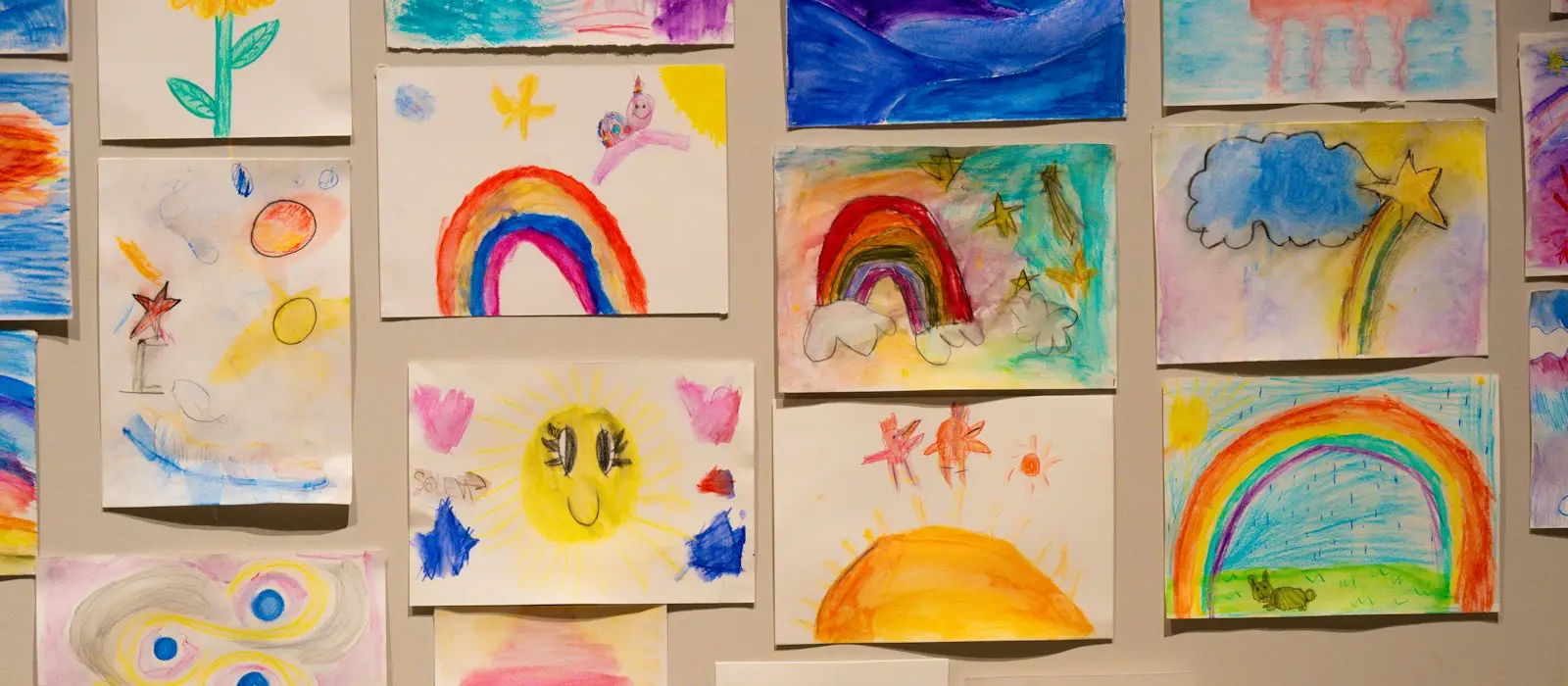
The Reggio Emilia approach comes from a small city in northern Italy, where parents and teachers built a network of preschools around one idea: children are capable, curious and full of ideas worth listening to.
It isn't a curriculum or a set of activities. It's a way of looking at children, and that makes it surprisingly easy to bring home. You need open-ended materials, a little time and a willingness to follow your child's questions.
Where the Reggio Emilia approach comes from
After the Second World War, families in and around Reggio Emilia wanted schools for their young children that would raise people who think for themselves. A young teacher called Loris Malaguzzi joined them, and over the following decades he and the city built one of the most admired early childhood systems in the world.
Today the city's infant-toddler centers and preschools are run by the municipality, and an organization called Reggio Children shares the approach with educators around the world.
The big ideas
- The capable child. Children aren't empty vessels. They're strong, curious and able to build their own understanding.
- The hundred languages. Children think and express themselves in many ways: drawing, building, movement, music, clay, pretend play, words. All of them count.
- The environment as a teacher. A thoughtful space, with natural light, beautiful materials and things to discover, invites children to explore.
- Projects that grow from questions. Instead of a fixed plan, learning follows what children are curious about, sometimes for weeks.
- Documentation. Adults write down what children say, take photos and keep their work, so everyone can see and revisit their thinking.
- Relationships. Children learn with each other, with teachers and with families. Parents are partners, not visitors.
Reggio Emilia vs Montessori
Both see children as capable and both care a lot about the environment. The difference is mainly in structure.
- Montessori uses carefully designed activities with a clear purpose, shown by the adult and then repeated by the child. It values independence and order.
- Reggio Emilia has no set materials. It starts from children's questions and interests and follows them into open-ended projects, often with art at the center.
Many families borrow from both. For the Montessori side, see Montessori at home.
How to bring Reggio Emilia home
You don't need an art studio. You need three things.
- Open-ended materials. Things that can become anything: paper, clay, sticks, fabric, boxes, stones, tape.
- A space that invites. A low table or tray with a few materials laid out beautifully, near natural light if you can.
- Curiosity about their thinking. Listen, ask questions and write down what they say.
12 Reggio-inspired ideas to try
- An invitation to play. Lay out a few materials on a tray (playdough, sticks and pinecones; or paper, glue and fabric scraps) and see what they do. Don't explain it.
- A nature table. Gather leaves, shells, stones and seed pods. Add a magnifying glass. Ask, "What do you notice?"
- Loose parts. A basket of bottle tops, corks, buttons, cardboard tubes and fabric. Children use them to build, sort, make patterns and pretend.
- Draw what you see. Put a flower, a shell or a pinecone in front of them and draw it together. Then draw it again tomorrow.
- Clay or dough. Make something you're both thinking about: a dog, a house, a dinosaur. Talk about how to make it stand up.
- Light and shadow. Use a flashlight, a sunny window or a lamp to make shadows. Trace them on paper taped to the wall.
- Mirrors. Put a mirror flat on the table and arrange objects on it. Or draw a self-portrait while looking in a mirror.
- Cardboard building. Boxes, tubes and tape. Ask, "What could this become?" For a project, try a cardboard marble run.
- Follow a question. When your child asks something ("Where do worms go when it rains?"), turn it into a mini project: look it up, go outside, draw it, build it.
- Paint to music. Play different songs and paint how each one feels.
- Leaf and bark rubbings. Explore textures on a walk, then make leaf rubbings at home.
- A memory book. Keep a notebook of your child's drawings and the funny, wise things they say. Look back at it together.
Documenting at home
Documentation is one of the most important parts of Reggio, and one of the easiest to try. It shows your child that their ideas matter.
- Write down their words. On the back of a drawing: "This is a spaceship for my cat. It has a slide."
- Take a photo of something they built before it gets knocked down.
- Display their work at their eye level and change it often.
- Revisit it together. "Remember when you made the spaceship? What would you add now?"
What to say
I wonder what would happen if... What do you think?
Open questions keep the thinking going. Try "Tell me about it", "How did you do that?" and "What could we try next?" instead of "What is it?"
If it stalls
If they don't touch the invitation, play with it yourself and think out loud. If they lose interest quickly, that's okay. Leave it out and they may come back to it later. If it gets too messy, set limits on space (one tray, one mat) rather than on ideas.
Common questions
What age is the Reggio Emilia approach for? The Reggio schools serve children from babies to age 6, but the ideas work for older children too, especially project work and documentation.
Do I need special materials? No. Recycled materials, things from nature and simple art supplies are what most Reggio settings use.
Is Reggio Emilia the same as play-based learning? Reggio is one kind of play-based learning. It stands out for its focus on projects, art, documentation and the role of the environment.
How is it different from just letting kids play? The adult is still involved: setting up the space, watching, asking questions, writing down ideas and helping a project grow.
More ideas
For more open-ended play, try sensory play, paper plate masks, preschool activities and our guide to activities for kids by age.
Sources
About the author
Mrs Mac, Chief Play Officer
Mrs Mac is a current Early Years lead with over ten years of experience. She checks every Otter idea for timings, mess and attention spans, so it works on a wet Tuesday, not just on paper. Meet our Chief Play Officer.